There is a coffee van that parks near my house every morning, just as the sun comes up. I did not expect it to change how I think about medicine.
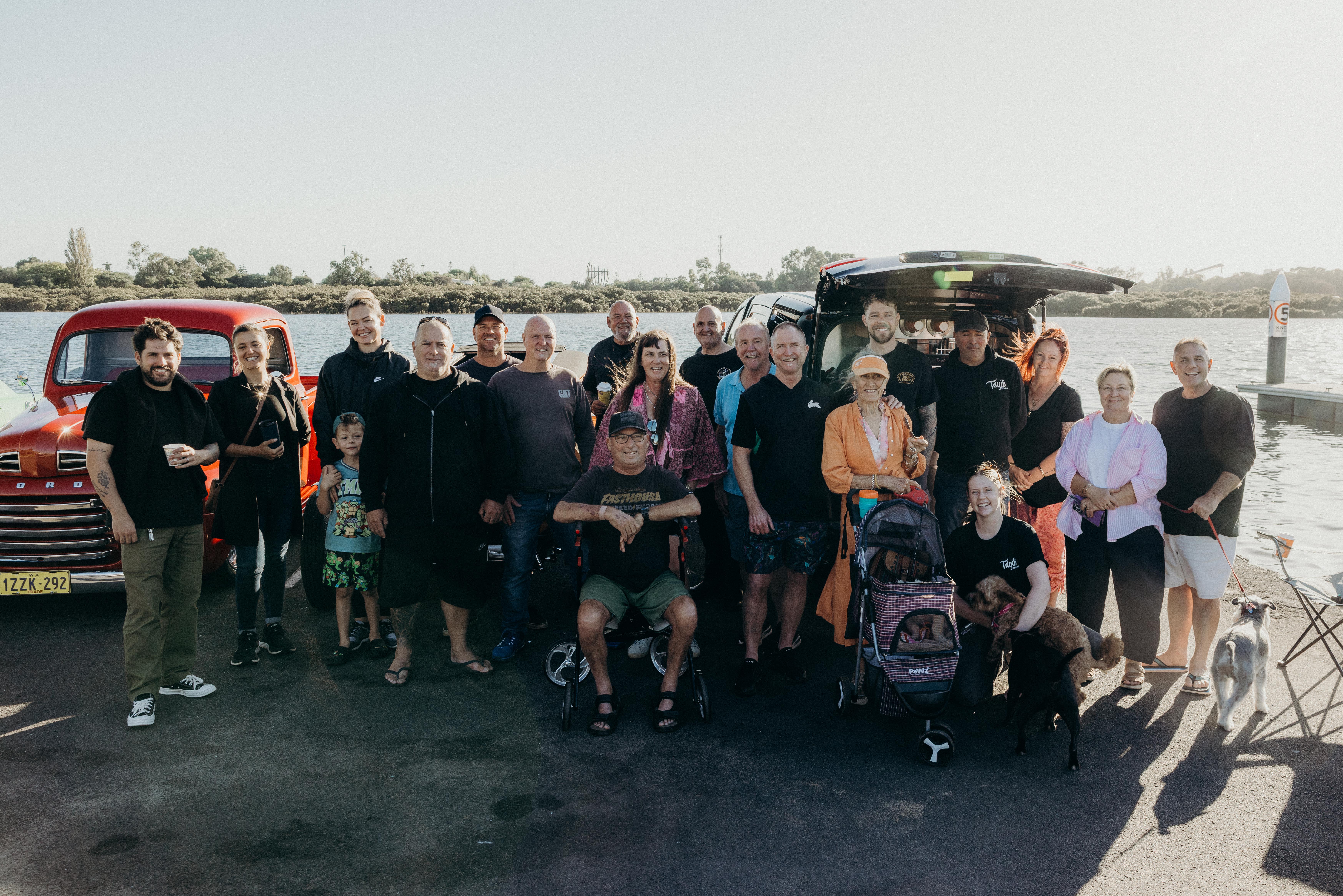
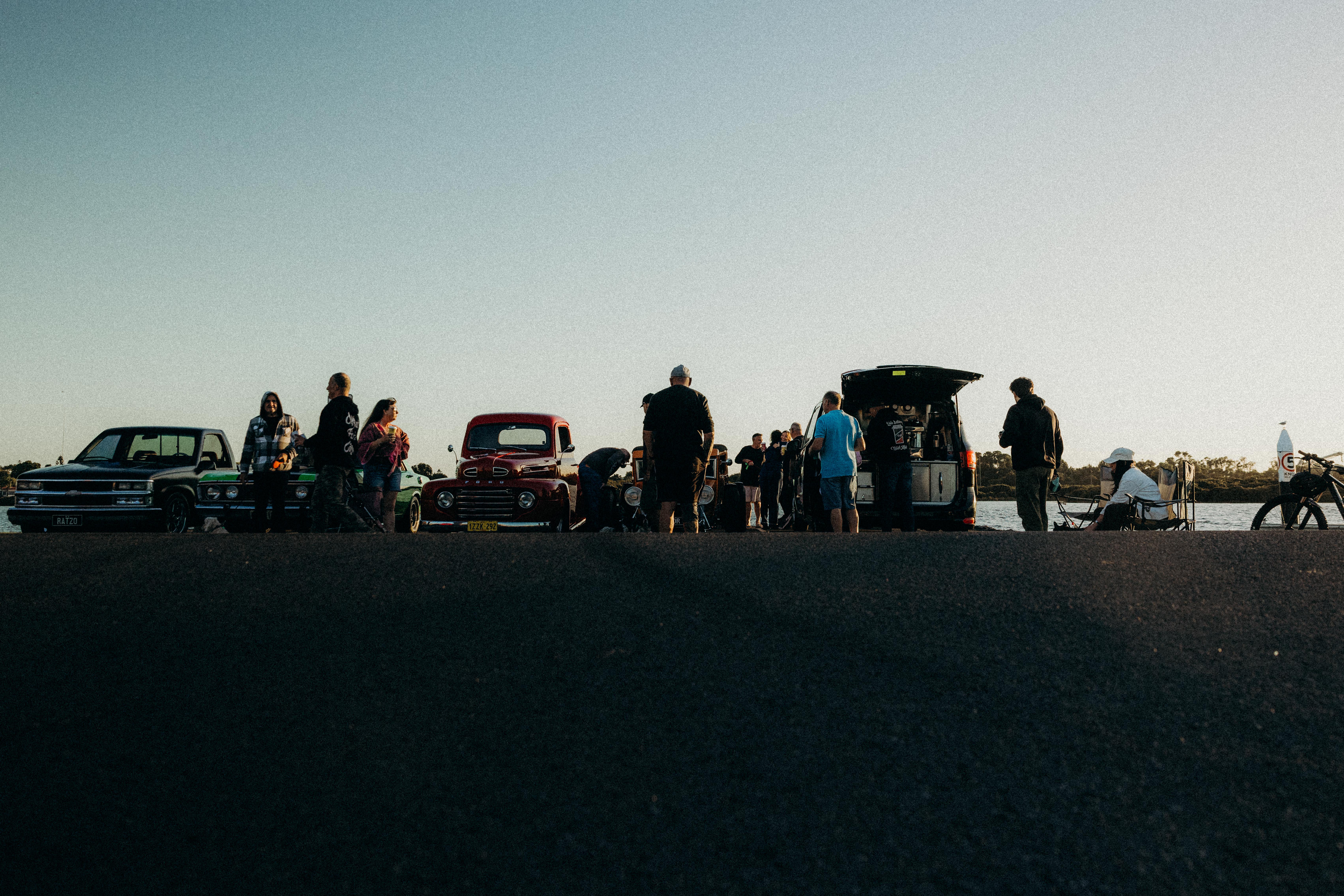
When I moved back from Melbourne, I got into the habit of wandering down there at first light. It turned out I was not the only one. A whole crew started forming around that van, the kind of group you could never assemble on purpose. Different ages, different jobs, different lives entirely. Right next to my place is a retirement village, so the mix skewed wonderfully wide. Some of us had barely met our own neighbours before. Now we were sharing sunrise together, most days, over bad jokes and good coffee.
Two of the regulars were both named Robyn. One of them, it turned out, had been painting her whole life.
A painter you would never guess
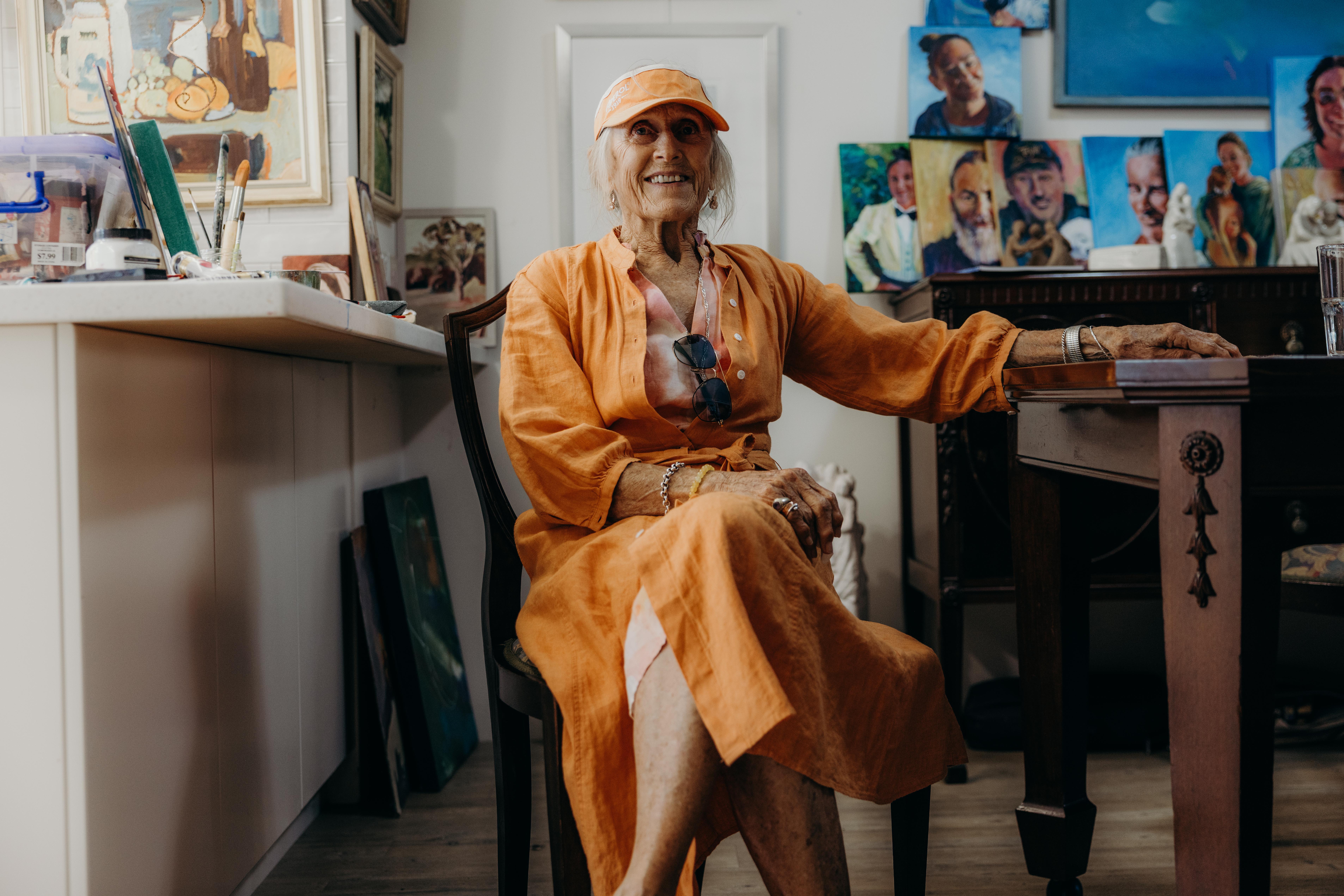
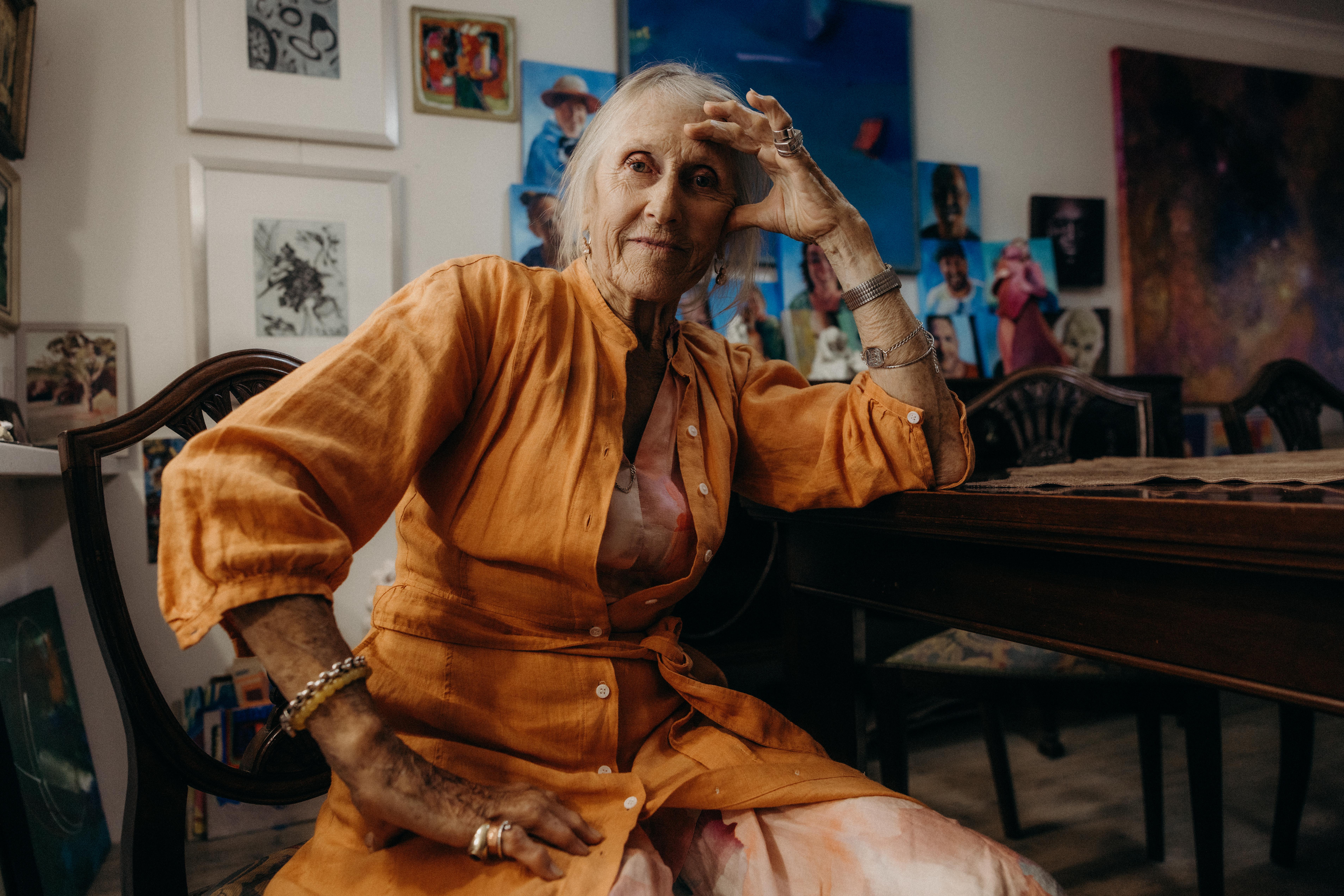
Robyn Bischoff started painting in the seventies. She has exhibited. She has won awards. She has done more with a brush than most people manage in any pursuit across a lifetime. But you would never know it standing next to her at the van, because she does not lead with any of that. What she leads with is the way she pays attention to people.
The first sign of it was a gift. One of the guys down there, Nic, who runs a the coffee van, had thrown a Christmas party for the neighbourhood. Robyn could not make it, and it bothered her. So rather than a card or an apology, she did what she does. She painted him. An oil portrait of Nic, handed over as a way of saying sorry for missing his night. Who does that.

Two years of light
Not long after, Robyn told us something that reframed everything. She has glaucoma. In about two years, she will be blind.
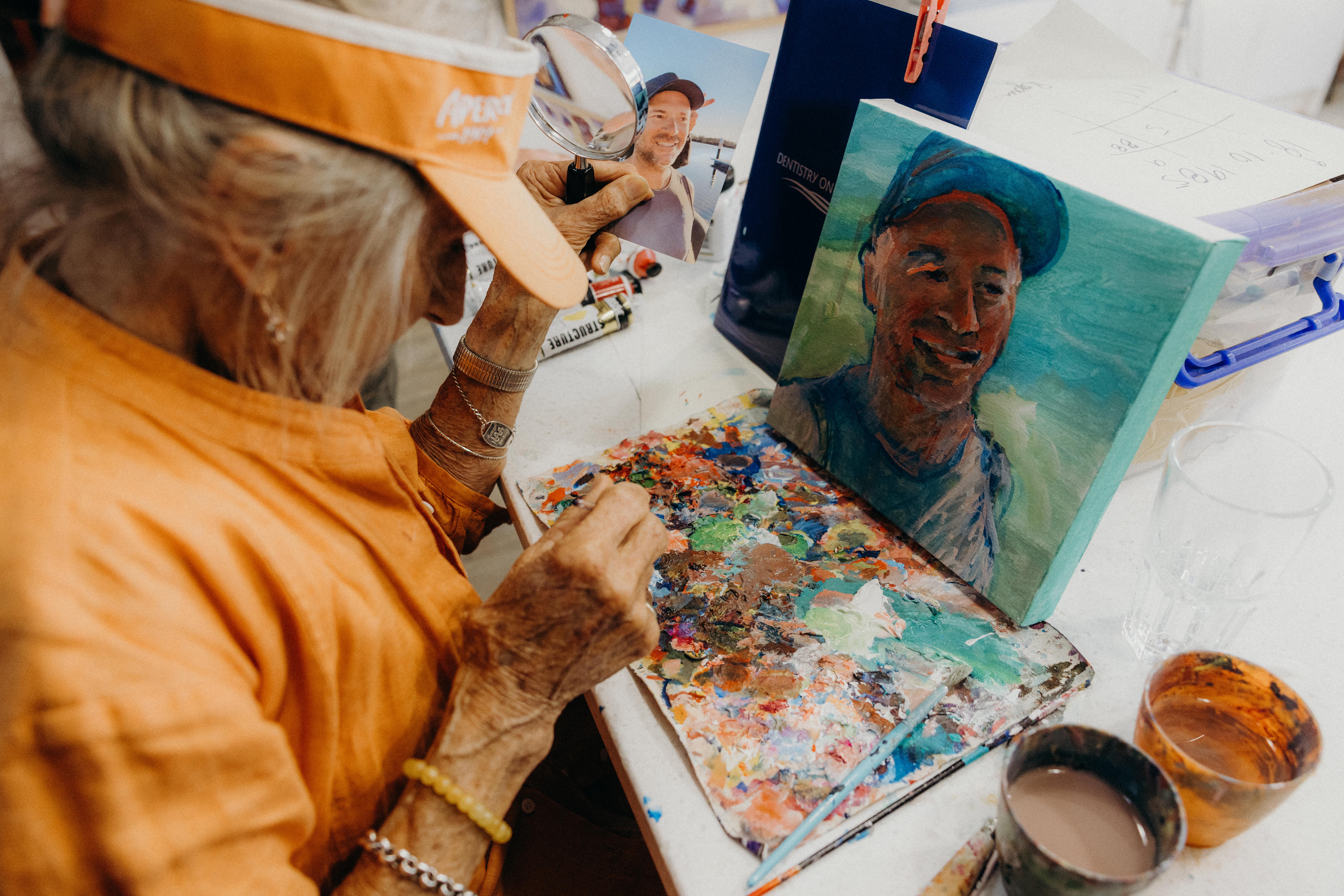
Most people, handed that, would understandably fold inward. Robyn did the opposite. She started photographing us. Every morning, on her phone, she would quietly take pictures of the crew arriving for coffee. Then she would go home, print the photos, and sitting at her table with a magnifying glass, she would paint us. One by one. Portrait after portrait of this unlikely gang that assembles at dawn.
At last count she had painted eighteen of us.
She is, in the most literal sense, spending the light she has left looking closely at the people around her. Keeping her mind busy, she says. Keeping her eyes working. But what it looks like from the outside is something closer to devotion.
Why Mode made a film about her
I want to be clear about something. Robyn is not a patient of ours. She is a friend, and someone we admire. We did not make this film to sell anything.
Here is the honest backstory. The rules around advertising in our field are extremely tight, and rightly cautious, but they mean that a clinic like ours often ends up saying a great deal of nothing. I got tired of it. So this year I took our entire marketing budget and pointed it somewhere better. Instead of ads that say nothing, we are making short films about people worth paying attention to.
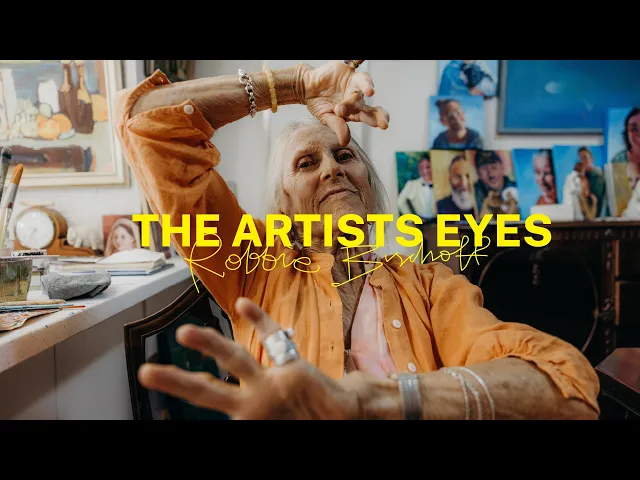
The first one is about Robyn. We call it The Artist's Eyes.
We got the whole crew together one morning, hot rods and all, and we sat down with her. My friend Ryan Murphy, a photographer and filmmaker with a genuinely rare eye, shot it. If you do not know his work, go and find it. The film is not trying to convince you of anything. We just love what Robyn is doing, the paintings are wonderful, and we hope that watching her might nudge a few more people to look up and connect with their own community.
The part a doctor usually skips
There is a reason a film like this belongs on a healthcare journal and not just an art blog.
Community and social connection are, in my view, a real component of health that a standard fifteen minute appointment tends to overlook. I have watched it up close now. People who live in isolation more often carry a heavier, more negative frame of mind. And when a hard diagnosis lands, you can almost immediately see which way a person will go. Some sink into it. Others do what Robyn does, which is make the most of what they have while they still have it.
Robyn is going blind, and she is spending her remaining eyesight painting her neighbours out of love. That is not a medical intervention. But I would struggle to name many interventions that do more for a person's wellbeing than being seen, and belonging somewhere, and having a reason to show up at sunrise.
That is the attitude all of us, I think, are quietly hoping to have when it is our turn to get older.
Watch The Artist's Eyes
Directed and shot by Ryan Murphy. With gratitude to Robyn, and to the coffee van crew who show up every morning.
Thanks for reading.
- Jordy. CEO Mode
There is a coffee van that parks near my house every morning, just as the sun comes up. I did not expect it to change how I think about medicine.
When I moved back from Melbourne, I got into the habit of wandering down there at first light. It turned out I was not the only one. A whole crew started forming around that van, the kind of group you could never assemble on purpose. Different ages, different jobs, different lives entirely. Right next to my place is a retirement village, so the mix skewed wonderfully wide. Some of us had barely met our own neighbours before. Now we were sharing sunrise together, most days, over bad jokes and good coffee.
Two of the regulars were both named Robyn. One of them, it turned out, had been painting her whole life.
A painter you would never guess
Robyn Bischoff started painting in the seventies. She has exhibited. She has won awards. She has done more with a brush than most people manage in any pursuit across a lifetime. But you would never know it standing next to her at the van, because she does not lead with any of that. What she leads with is the way she pays attention to people.
The first sign of it was a gift. One of the guys down there, Nic, who runs a the coffee van, had thrown a Christmas party for the neighbourhood. Robyn could not make it, and it bothered her. So rather than a card or an apology, she did what she does. She painted him. An oil portrait of Nic, handed over as a way of saying sorry for missing his night. Who does that.
Two years of light
Not long after, Robyn told us something that reframed everything. She has glaucoma. In about two years, she will be blind.
Most people, handed that, would understandably fold inward. Robyn did the opposite. She started photographing us. Every morning, on her phone, she would quietly take pictures of the crew arriving for coffee. Then she would go home, print the photos, and sitting at her table with a magnifying glass, she would paint us. One by one. Portrait after portrait of this unlikely gang that assembles at dawn.
At last count she had painted eighteen of us.
She is, in the most literal sense, spending the light she has left looking closely at the people around her. Keeping her mind busy, she says. Keeping her eyes working. But what it looks like from the outside is something closer to devotion.
Why Mode made a film about her
I want to be clear about something. Robyn is not a patient of ours. She is a friend, and someone we admire. We did not make this film to sell anything.
Here is the honest backstory. The rules around advertising in our field are extremely tight, and rightly cautious, but they mean that a clinic like ours often ends up saying a great deal of nothing. I got tired of it. So this year I took our entire marketing budget and pointed it somewhere better. Instead of ads that say nothing, we are making short films about people worth paying attention to.
The first one is about Robyn. We call it The Artist's Eyes.
We got the whole crew together one morning, hot rods and all, and we sat down with her. My friend Ryan Murphy, a photographer and filmmaker with a genuinely rare eye, shot it. If you do not know his work, go and find it. The film is not trying to convince you of anything. We just love what Robyn is doing, the paintings are wonderful, and we hope that watching her might nudge a few more people to look up and connect with their own community.
The part a doctor usually skips
There is a reason a film like this belongs on a healthcare journal and not just an art blog.
Community and social connection are, in my view, a real component of health that a standard fifteen minute appointment tends to overlook. I have watched it up close now. People who live in isolation more often carry a heavier, more negative frame of mind. And when a hard diagnosis lands, you can almost immediately see which way a person will go. Some sink into it. Others do what Robyn does, which is make the most of what they have while they still have it.
Robyn is going blind, and she is spending her remaining eyesight painting her neighbours out of love. That is not a medical intervention. But I would struggle to name many interventions that do more for a person's wellbeing than being seen, and belonging somewhere, and having a reason to show up at sunrise.
That is the attitude all of us, I think, are quietly hoping to have when it is our turn to get older.
Watch The Artist's Eyes
Directed and shot by Ryan Murphy. With gratitude to Robyn, and to the coffee van crew who show up every morning.
Thanks for reading.
- Jordy. CEO Mode